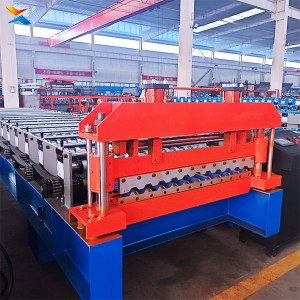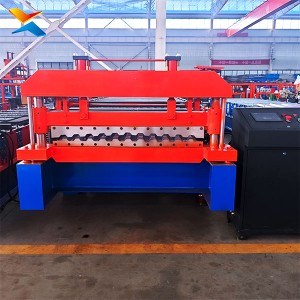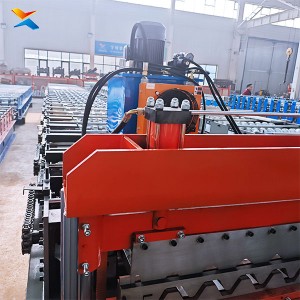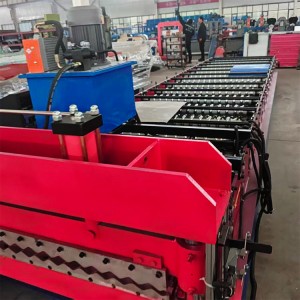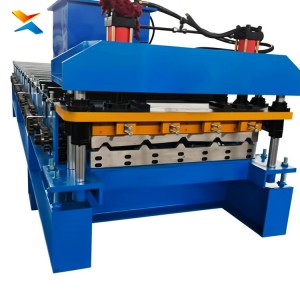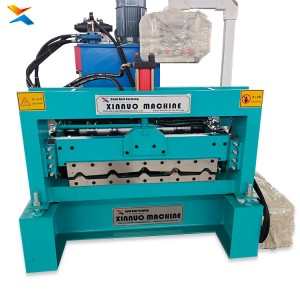

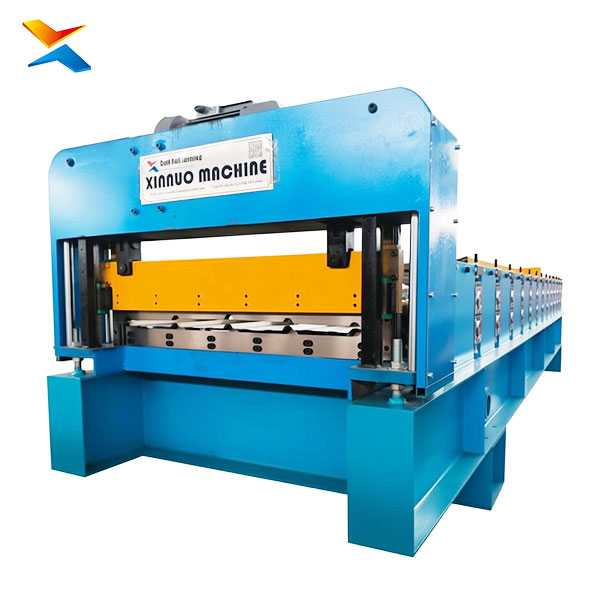
Customized Roofing Sheet Machine with CE Certification
Product Overview
The Customized Roofing Sheet Machine with CE Certification is a premium roll forming solution designed to meet the unique demands of modern construction while adhering to stringent international safety and quality standards. Engineered for versatility and compliance, this equipment empowers manufacturers to produce bespoke metal roofing profiles tailored to specific architectural projects. The CE certification guarantees that every machine meets rigorous European health, safety, and environmental protection directives, providing buyers with absolute confidence in both performance and regulatory compliance.
Comprehensive Customization Capabilities
-
Tailored Profile Design: We offer fully customized roller die configurations to match your exact panel specifications. Whether you require unique corrugation patterns, specialized standing seam geometries, or proprietary interlocking mechanisms, our engineering team can design precision tooling to bring your vision to life.
-
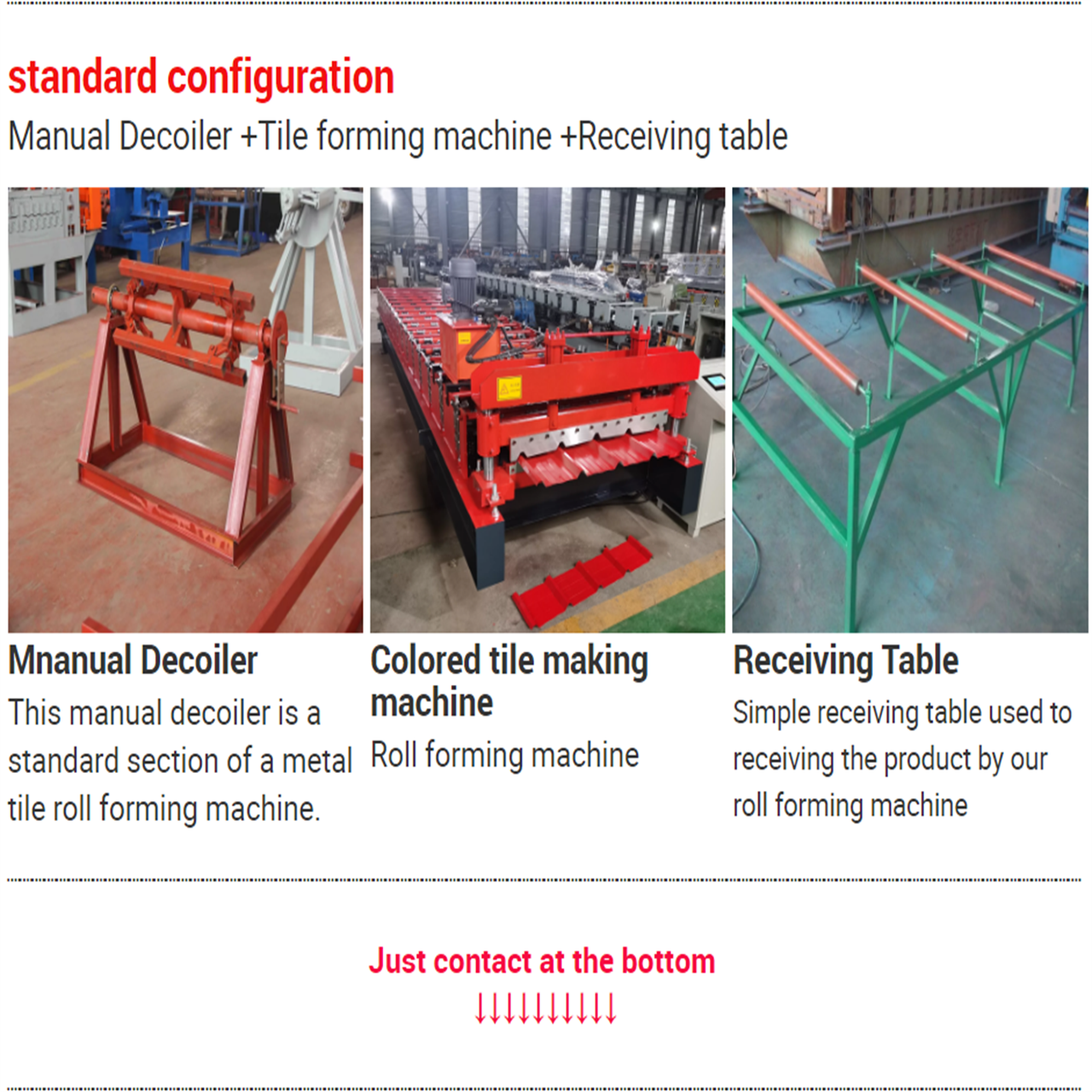
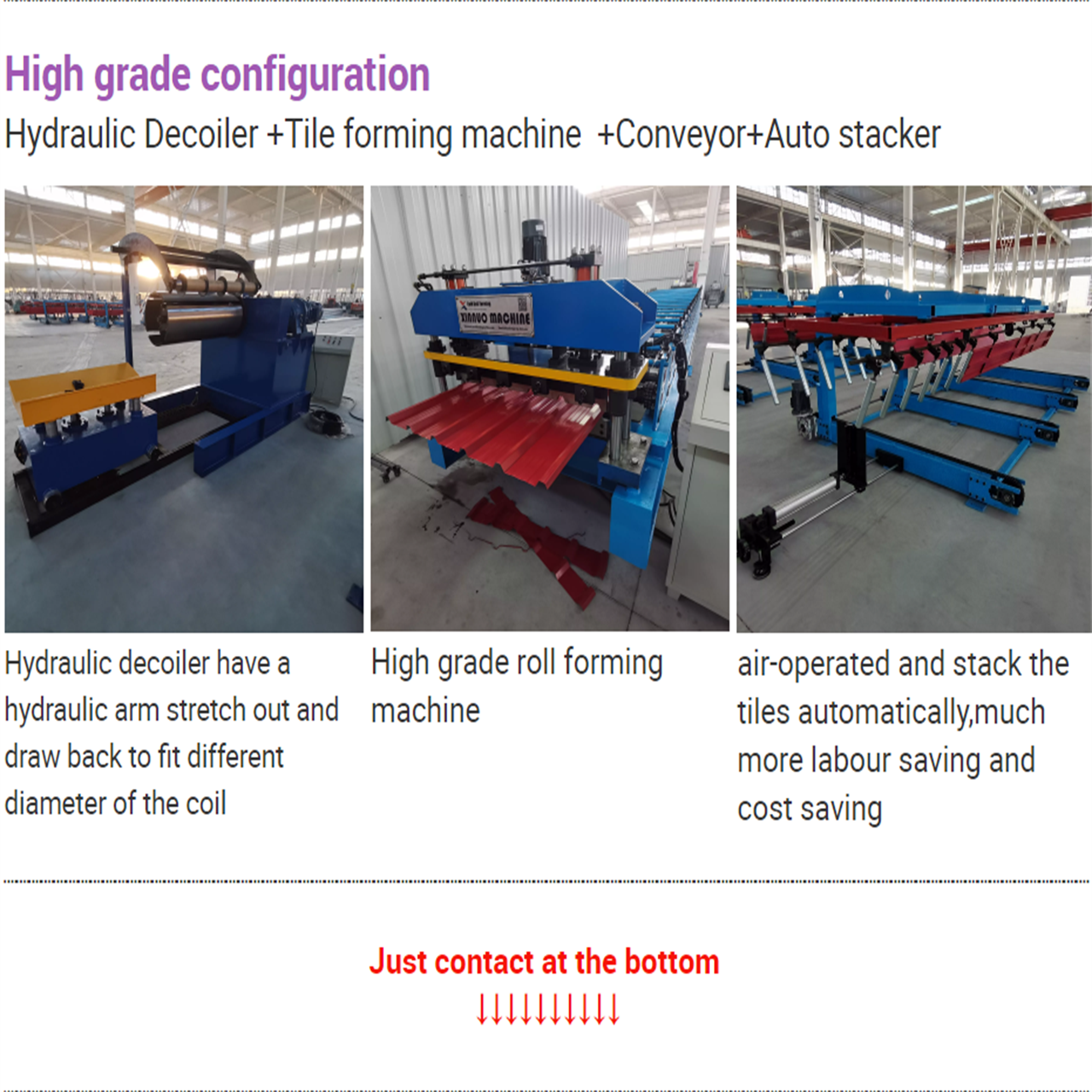
Flexible Production Line Configuration: Our machines are adaptable to various production scales and facility layouts. Clients can customize the level of automation, choose between manual or automatic stacking systems, and integrate additional processing units such as embossing, punching, or edge trimming based on their operational needs.
-
Material-Specific Engineering: Understanding that different metals behave differently during forming, we tailor the roller spacing, pressure settings, and drive torque to optimize processing for galvanized steel, aluminum, copper, or color-coated coils. This ensures flawless surface finishes and prevents coating damage.
-
Control System Personalization: The PLC control interface can be customized with multilingual options, branded logos, and user-defined parameter presets. This enhances operator convenience and streamlines workflow integration within existing manufacturing environments.
CE Certification Assurance
-
Rigorous Safety Compliance: Every machine undergoes comprehensive testing to meet CE machinery directive requirements. This includes proper guarding of moving parts, emergency stop systems at multiple access points, electrical safety isolation, and noise emission controls to protect operators.
-
Quality Management Standards: Our manufacturing processes align with ISO quality management systems, ensuring consistent build quality. All critical components are traceable, and final assembly includes thorough inspection protocols before CE marking is applied.
-
International Market Access: The CE certification facilitates seamless importation and operation across European markets and other regions recognizing this standard. Documentation packages include detailed technical files, risk assessments, and declarations of conformity to simplify customs clearance and regulatory audits.
Technical Excellence & Build Quality
-
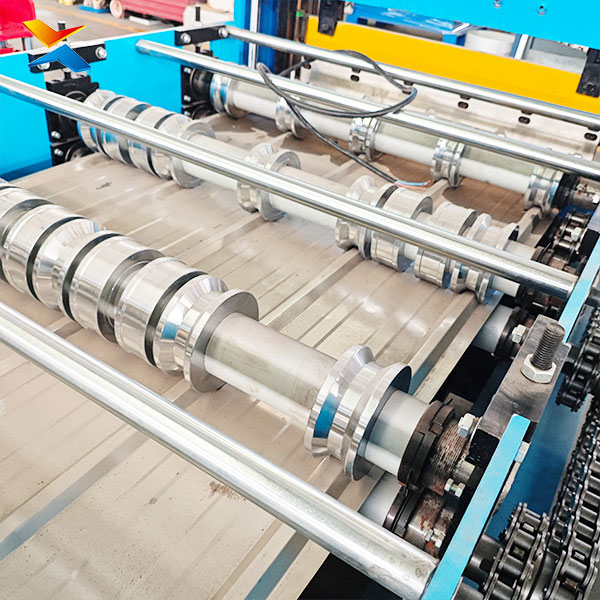
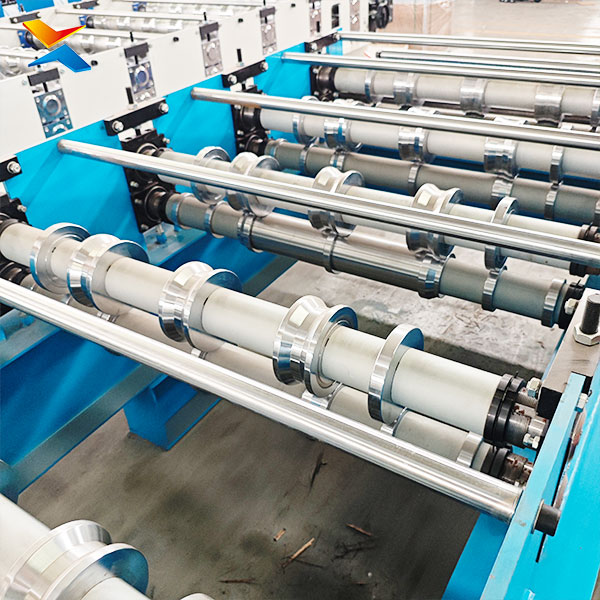
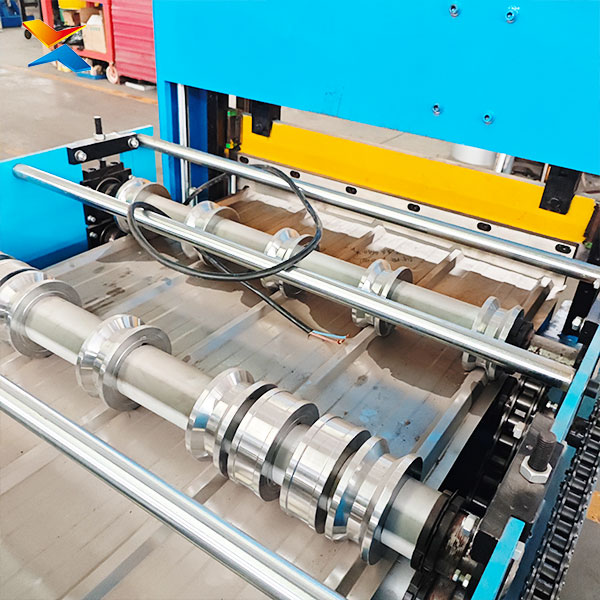
Precision Roll Forming Stations: Custom-designed rollers are machined from high-grade alloy steel with heat treatment for exceptional wear resistance. Multi-stage forming ensures gradual material deformation, maintaining structural integrity and dimensional accuracy throughout the production run.
-
Advanced Flying Cut-Off System: The synchronized cutting mechanism operates continuously without stopping the line, delivering clean, burr-free cuts with exact length repeatability. Cutting tools are customized to match specific profile geometries for optimal edge quality.
-
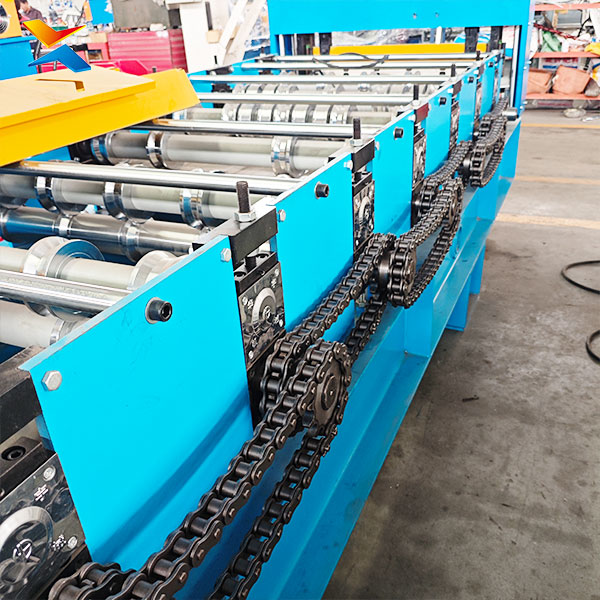
Robust Structural Framework: Heavy-duty welded steel frames provide vibration dampening and long-term stability. Finite element analysis guides structural design to ensure optimal load distribution and fatigue resistance under continuous industrial operation.
Value Proposition
-
Competitive Advantage: Customized solutions enable manufacturers to differentiate their product offerings and capture niche market segments that generic machines cannot serve effectively.
-
Regulatory Peace of Mind: CE certification eliminates compliance uncertainties, reducing legal risks and facilitating smoother business operations in regulated markets.
-
Long-Term Reliability: Premium materials, precision engineering, and rigorous testing combine to deliver equipment with extended service life and minimal unplanned downtime.
-
Expert Partnership: Working directly with a certified manufacturer ensures access to specialized engineering support, timely spare parts availability, and ongoing technical guidance throughout the equipment lifecycle.
-
♦ COMPANY PROFILE:
Hebei Xinnuo Roll Forming Machine Co., Ltd., not only produce different types of professional roll forming machines, but also develop intelligent automatic roll forming production lines, C&Z shape purline machines, highway guardrail roll forming machine lines, sandwich panel production lines, decking forming machines, light keel machines, shutter slat door forming machines, downpipe machines, gutter machines, etc.
Advantages of Roll Forming A Metal Part
There are several advantages of using roll forming for your projects:
- The roll forming process allows operations such as punching, notching, and welding to be performed in-line. Labor cost and time for secondary operations are reduced or eliminated, reducing part costs.
- Roll form tooling allows for a high degree of flexibility. A single set of roll form tools will make almost any length of the same cross-section. Multiple sets of tools for varying length parts are not required.
- It can provide better dimensional control than other competing metal forming processes.
- Repeatability is inherent in the process, allowing easier assembly of roll formed parts into your finished product, and minimizing problems due to “standard” tolerance build up.
- Roll forming is typically a higher speed process.
- Roll forming offers customers a superior surface finish. This makes roll forming an excellent option for decorative stainless steel parts or for parts requiring a finish such as anodizing or powder coating. Also, texture or pattern can be rolled into the surface during forming.
- Roll forming utilizes material more efficiently than other competing processes.
- Roll formed shapes can be developed with thinner walls than competing processes
Roll forming is a continuous process which converts sheet metal into an engineered shape using consecutive sets of mated rolls, each of which makes only incremental changes in the form. The sum of these small changes in form is a complex profile.