
Double Layer Single Profile Roll Forming Machine
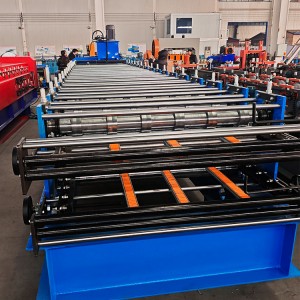
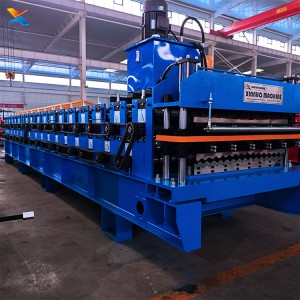
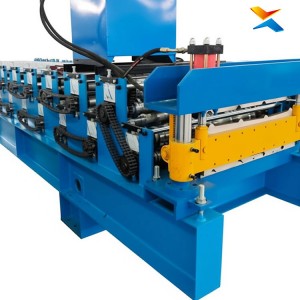
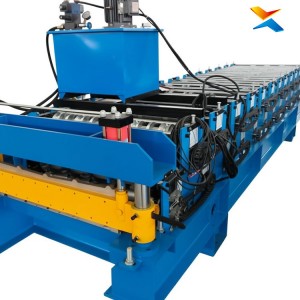
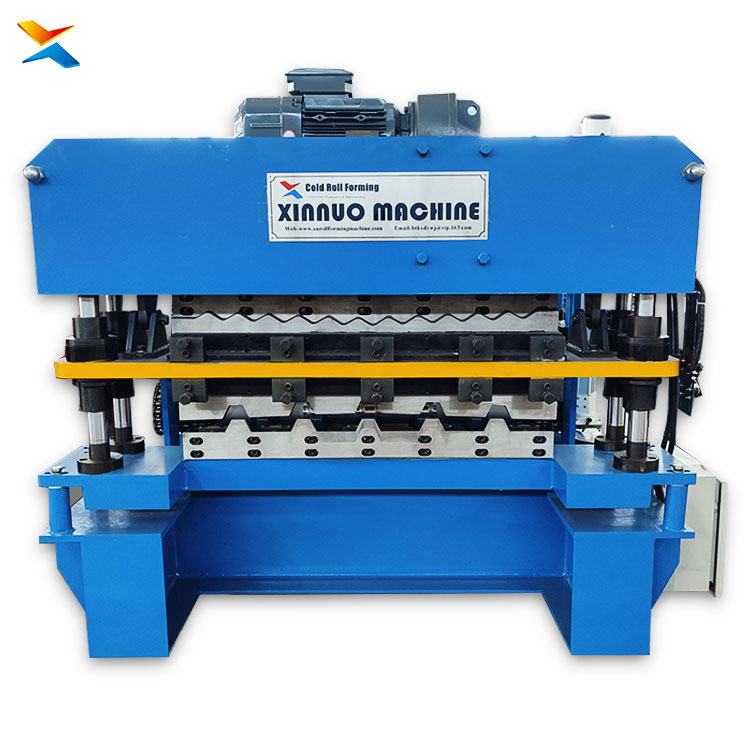
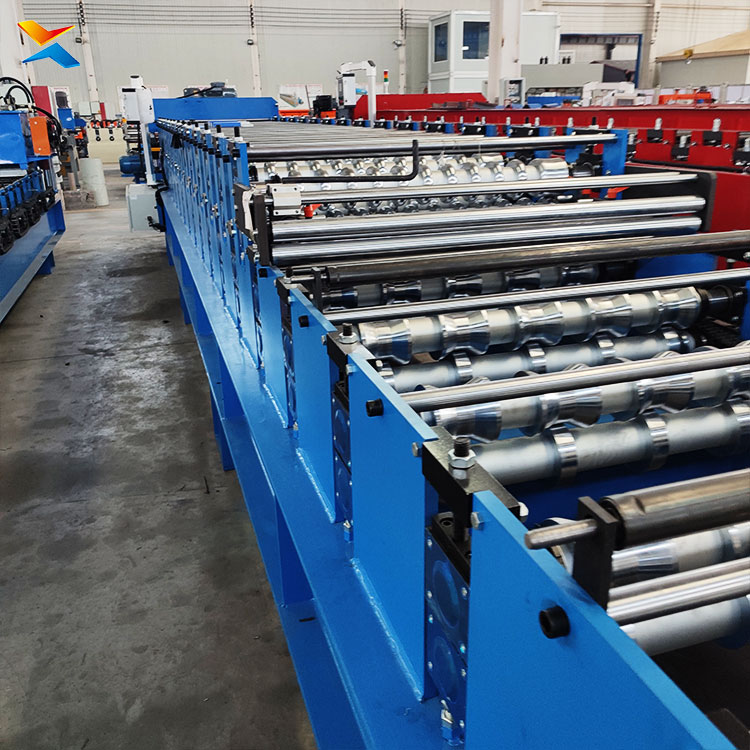
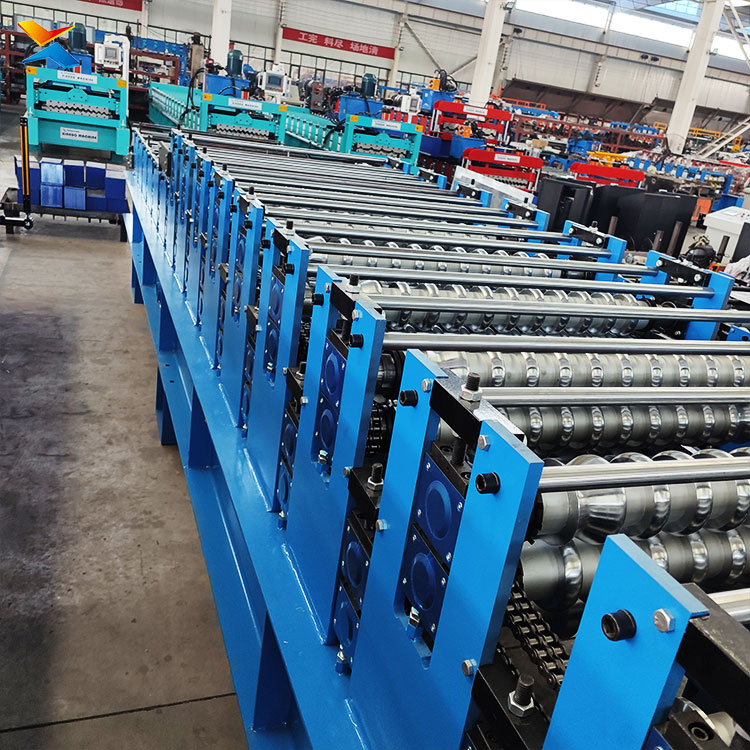
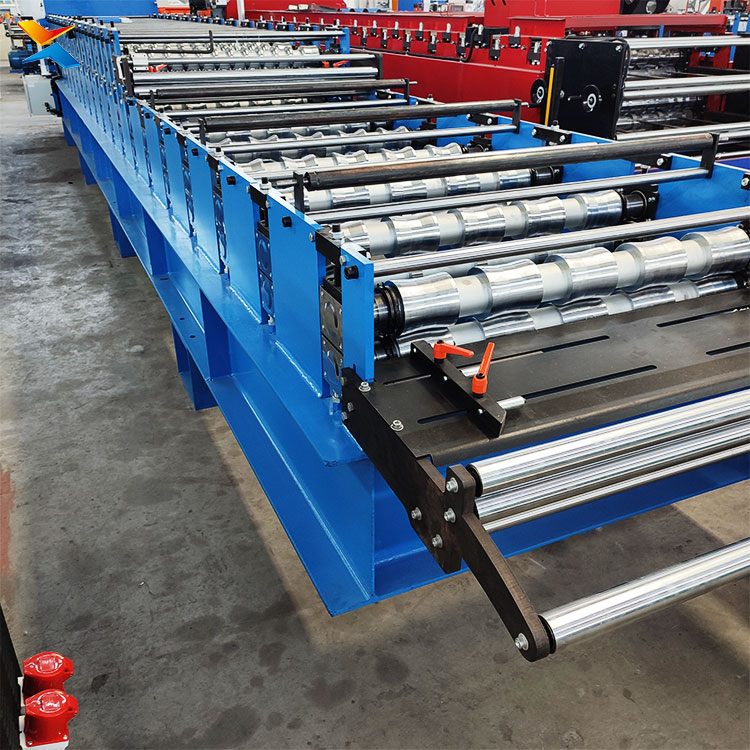
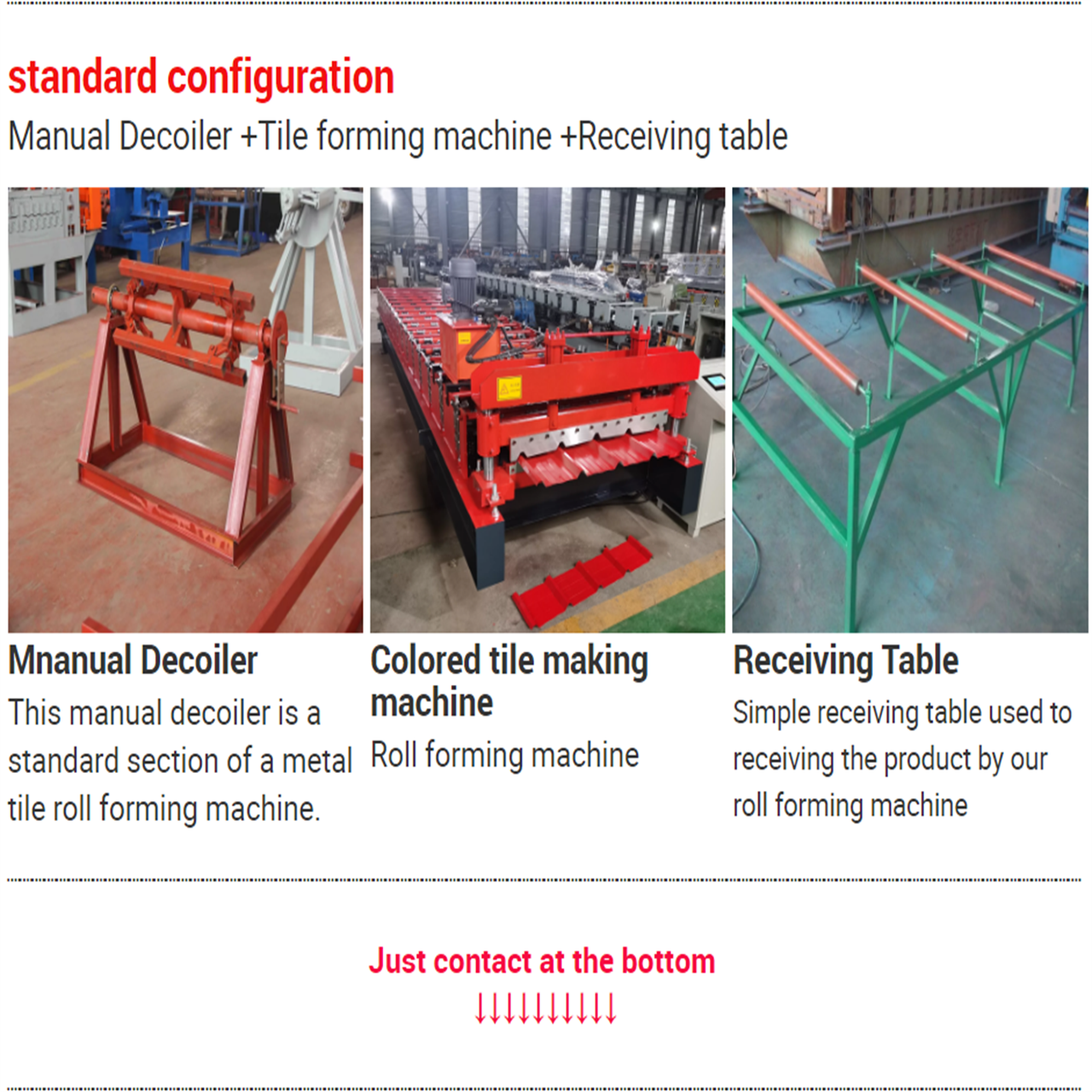
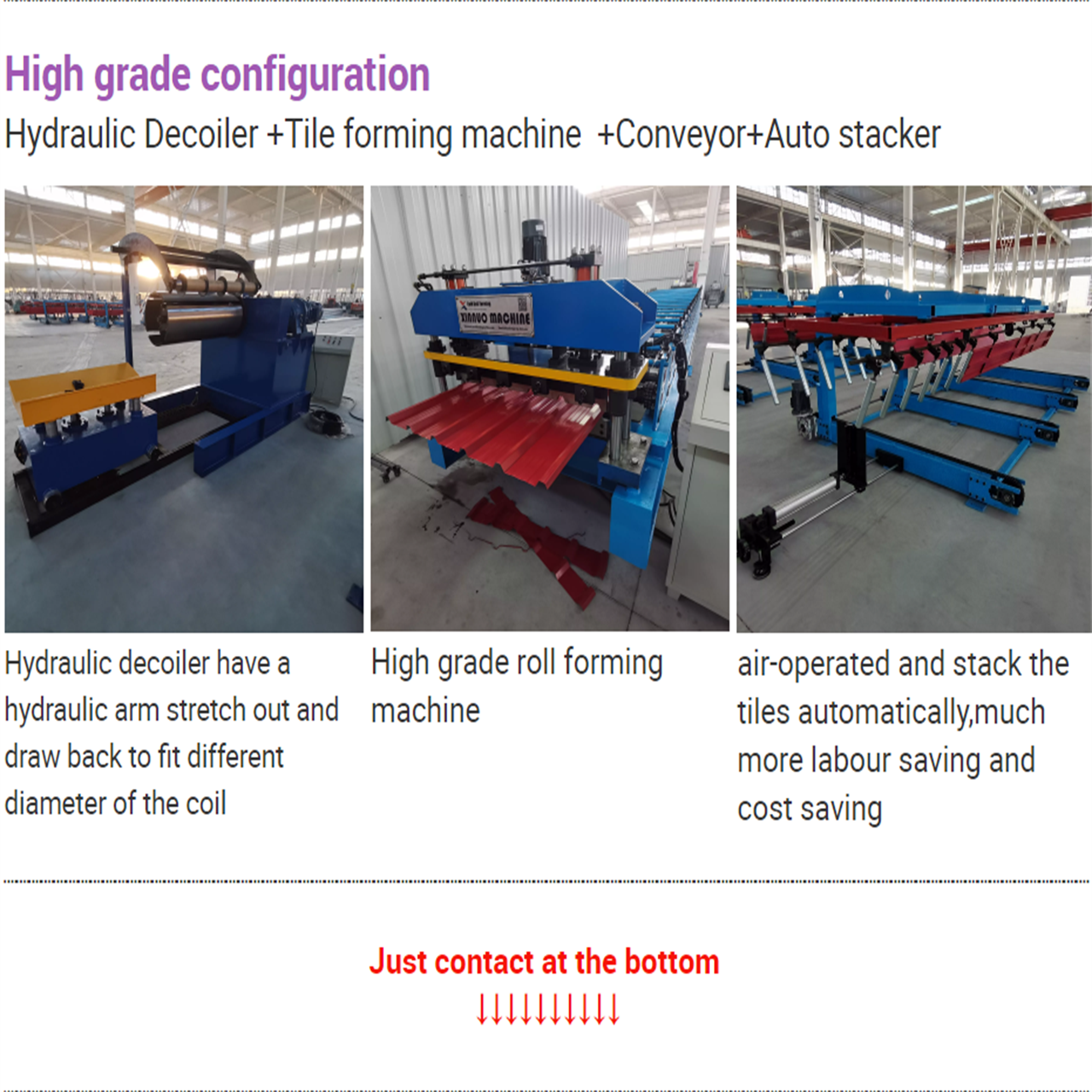
Xinnuo Double Layer Single Profile Roll Forming Machine is a high-performance integrated forming equipment specially used for producing metal roof and wall panels. Xinnuo has rich experience in designing and manufacturing professional Roll Forming Machine, and every Roll Forming Machine made by Xinnuo adopts strict production standards and sophisticated processing technology. This Xinnuo Double Layer Single Profile Roll Forming Machine is one of the classic models in the series of Roll Forming Machine, which can produce two kinds of single profile panels on one machine efficiently.
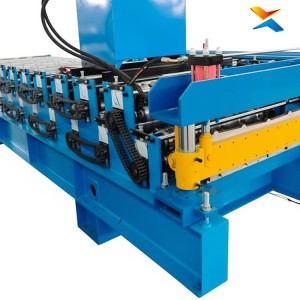
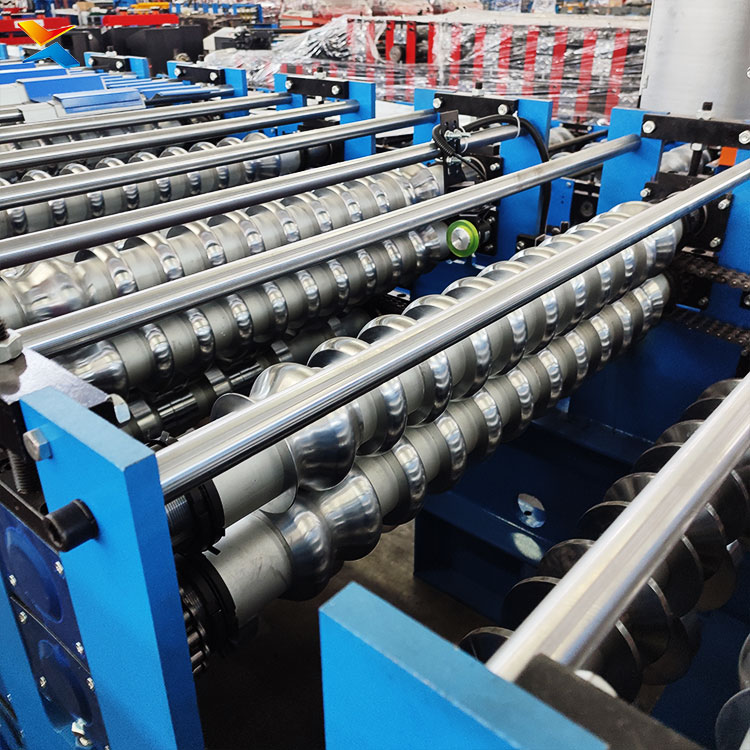
The Xinnuo Double Layer Single Profile Roll Forming Machine features a compact double-layer structure, which saves workshop space and reduces equipment investment cost greatly. This reliable Roll Forming Machine is equipped with high-precision forming rollers and a solid welded frame, ensuring the finished single profile panels are smooth, neat and uniform. Xinnuo always focuses on technical innovation and quality improvement of Roll Forming Machine, making this Double Layer Single Profile Roll Forming Machine run stably with low noise and low failure rate.
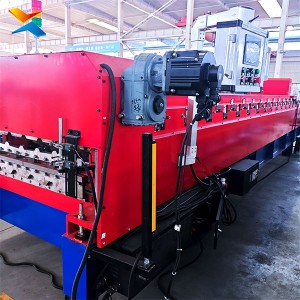
Adopting advanced PLC automatic control system, Xinnuo Double Layer Single Profile Roll Forming Machine realizes automatic decoiling, feeding, forming and cutting. The operation is simple and intuitive, which is easy for workers to learn and operate. Xinnuo selects high-quality spare parts for every Roll Forming Machine, effectively prolonging the service life of the Roll Forming Machine and lowering later maintenance costs for customers.
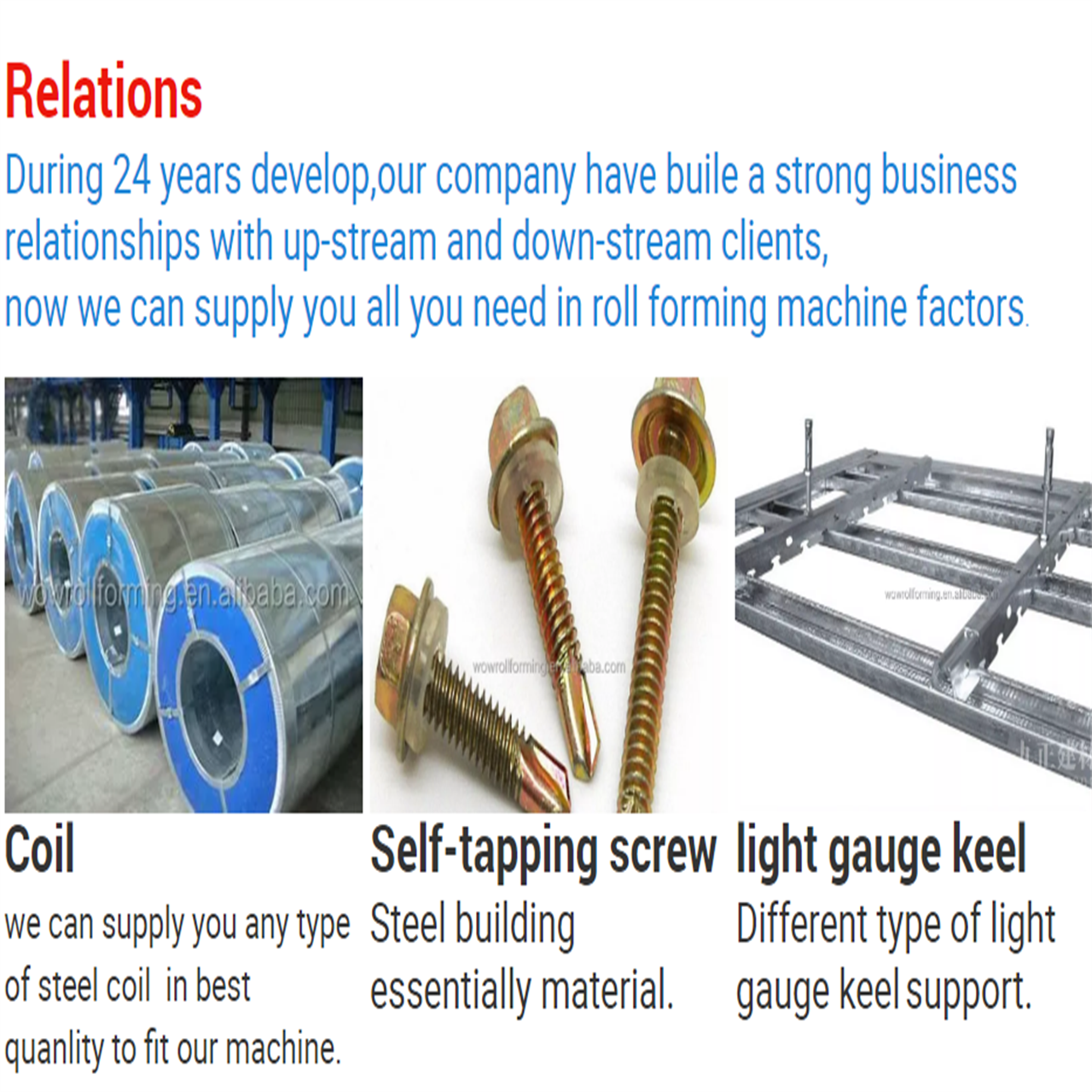
Suitable for processing color steel coil, galvanized steel coil and galvalume steel coil, Xinnuo Double Layer Single Profile Roll Forming Machine fully meets the diversified production needs of building material factories. With stable performance and affordable price, this Roll Forming Machine has gained wide recognition from global customers. Xinnuo keeps upgrading the structure and performance of Roll Forming Machine all the time, and the Xinnuo Double Layer Single Profile Roll Forming Machine is definitely your trustworthy choice for metal panel production.

♦ COMPANY PROFILE:
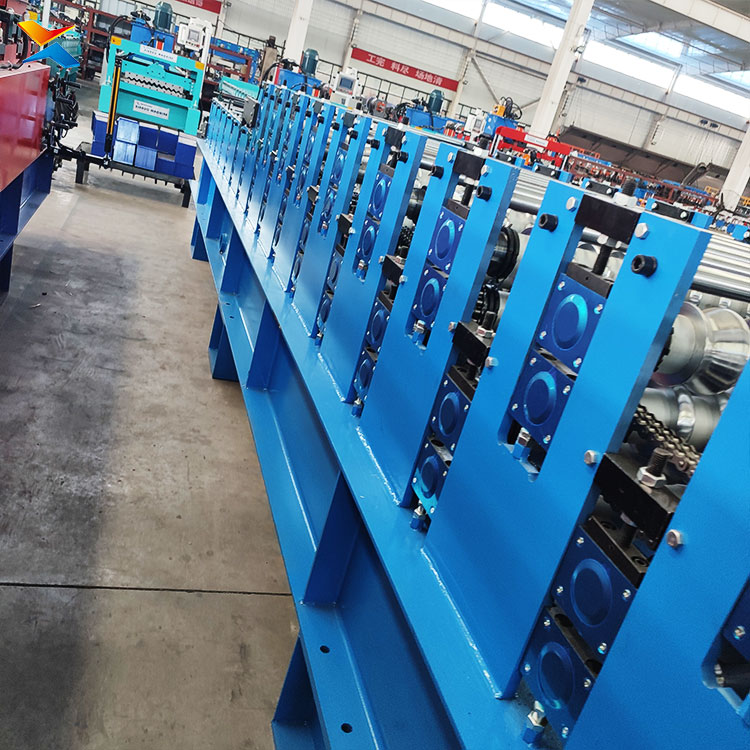
Hebei Xinnuo Roll Forming Machine Co., Ltd., not only produce different types of professional roll forming machines, but also develop intelligent automatic roll forming production lines, C&Z shape purline machines, highway guardrail roll forming machine lines, sandwich panel production lines, decking forming machines, light keel machines, shutter slat door forming machines, downpipe machines, gutter machines, etc.
Advantages of Roll Forming A Metal Part
There are several advantages of using roll forming for your projects:
- The roll forming process allows operations such as punching, notching, and welding to be performed in-line. Labor cost and time for secondary operations are reduced or eliminated, reducing part costs.
- Roll form tooling allows for a high degree of flexibility. A single set of roll form tools will make almost any length of the same cross-section. Multiple sets of tools for varying length parts are not required.
- It can provide better dimensional control than other competing metal forming processes.
- Repeatability is inherent in the process, allowing easier assembly of roll formed parts into your finished product, and minimizing problems due to “standard” tolerance build up.
- Roll forming is typically a higher speed process.
- Roll forming offers customers a superior surface finish. This makes roll forming an excellent option for decorative stainless steel parts or for parts requiring a finish such as anodizing or powder coating. Also, texture or pattern can be rolled into the surface during forming.
- Roll forming utilizes material more efficiently than other competing processes.
- Roll formed shapes can be developed with thinner walls than competing processes
Roll forming is a continuous process which converts sheet metal into an engineered shape using consecutive sets of mated rolls, each of which makes only incremental changes in the form. The sum of these small changes in form is a complex profile.