

Xinnuo Sandwich Panel Machine: The Core Equipment for High-Efficiency Building Material Production
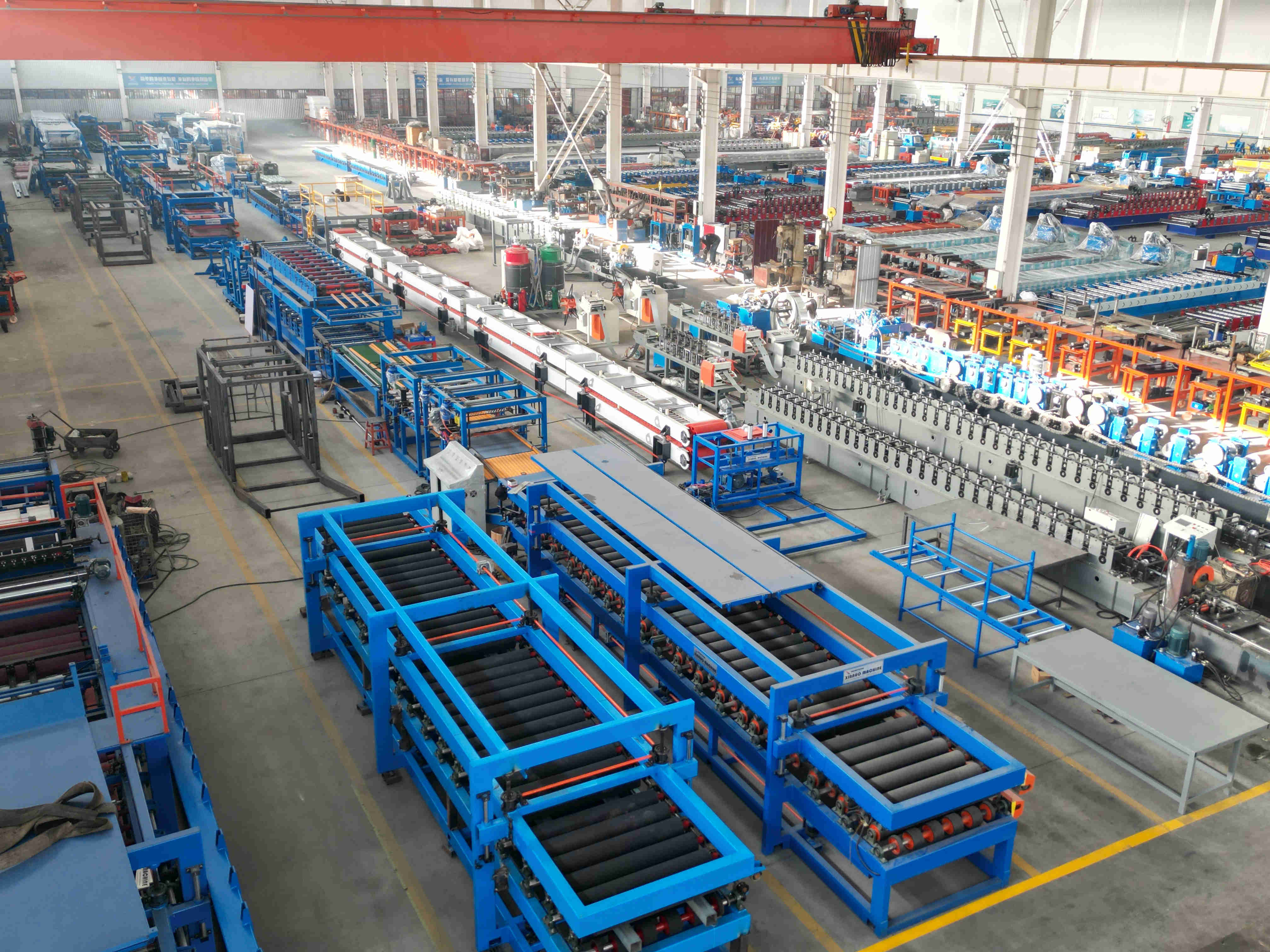
In the global construction and industrial sectors, sandwich panels (SP) have become indispensable materials due to their excellent thermal insulation, soundproofing, and structural performance. As the key production equipment for these versatile panels, sandwich panel machines (SPM) play a decisive role in ensuring product quality, production efficiency, and market competitiveness. This article explores the core value, application scenarios, and selection essentials of professional sandwich panel machines, helping manufacturers and project contractors make informed decisions.

1. Core Advantages of Professional Sandwich Panel Machines
Versatile Material Compatibility
Top-tier SPMs are designed to process a wide range of core materials and surface sheets. Whether it’s rigid polyurethane foam (PUF), expanded polystyrene (EPS), extruded polystyrene (XPS), or rock wool (RW) cores, paired with GI (Galvanized Iron), GL (Galvalume), or PPGL (Pre-painted Galvalume) surface sheets, the machine can achieve stable forming. This versatility allows producers to meet diverse market demands for thermal insulation, fire resistance, and structural strength.
Precision Forming Technology
The quality of sandwich panels depends largely on the precision of the forming process. Advanced SPMs adopt high-hardness forming rolls and adjustable gap control systems, ensuring uniform corrugation height, consistent spacing, and flat panel surfaces. Even for thin-gauge sheets, professional gap adjustment guidance (including technical videos) helps maintain optimal profile integrity, avoiding common issues like warping or uneven bonding.
High-Efficiency Production Capacity
Industrial-grade sandwich panel machines balance speed and stability, supporting continuous production lines that meet mass-order requirements. With optimized drive systems and intelligent control, modern SPMs reduce downtime and material waste, while their modular design allows for easy maintenance and capacity expansion—critical for manufacturers targeting large-scale projects such as commercial buildings, cold storage facilities, and prefabricated housing.
Adaptability to Custom Requirements
As construction projects become more personalized, sandwich panel machines offer flexible customization. From adjusting panel width and length to modifying corrugation designs, professional SPM manufacturers provide tailored solutions for specific applications. Whether it’s high-rise building exterior walls, industrial plant roofs, or container houses, the machine can be calibrated to produce panels that meet local building codes and project specifications.
2. Key Application Scenarios
Sandwich panel machines are widely used across industries, with their output serving as core materials for:
•Commercial & Residential Construction: Exterior walls, roofs, and partition walls that require thermal insulation and energy efficiency.
•Cold Storage & Logistics: Insulated panels for refrigerated warehouses, food processing facilities, and temperature-controlled containers.
•Industrial Plants: Fire-resistant and soundproof partitions, clean room walls, and factory roofing systems.
•Infrastructure Projects: Prefabricated cabins for power stations, communication towers, and temporary construction sites.
3. Essential Factors for Selecting a Sandwich Panel Machine
Core Material Compatibility
Choose an SPM that matches your target core material—for example, machines optimized for PUF cores prioritize foaming uniformity, while those for rock wool cores focus on compression resistance during forming.
Production Scale Alignment
Small to medium-sized manufacturers may opt for semi-automatic lines, while large-scale producers benefit from fully continuous SPMs with integrated cutting, bonding, and stacking functions.
Technical Support & After-Sales Service
Reliable technical guidance (such as gap adjustment tutorials) and timely maintenance support are crucial. Prioritize suppliers that offer on-site training, spare parts supply, and global after-sales service—especially for overseas buyers.
Energy Efficiency & Environmental Compliance
Modern sandwich panel machines emphasize energy-saving designs, reducing power consumption while meeting international environmental standards. This not only lowers operational costs but also enhances market competitiveness in regions with strict sustainability requirements.
4. Future Trends of Sandwich Panel Machine Technology
The SPM industry is evolving toward automation, intelligence, and eco-friendliness. Future machines will integrate IoT (Internet of Things) monitoring for real-time production data analysis, AI-driven quality control to detect defects, and energy-efficient components to minimize carbon footprint. For manufacturers, investing in advanced SPMs is not just about improving productivity—it’s about adapting to the global shift toward green building and sustainable manufacturing.
Conclusion
A professional sandwich panel machine is more than just production equipment—it’s a strategic asset for businesses looking to thrive in the global sandwich panel market. By prioritizing versatility, precision, efficiency, and customization, manufacturers can meet diverse customer needs and stay ahead of industry competition. Whether you’re a new entrant or an established producer, selecting the right SPM tailored to your business goals is the first step toward success in the high-growth building materials sector.
For customized sandwich panel machine solutions or technical consultations, contact our team of experts today—we’re dedicated to helping you optimize production processes and expand your global reach.
Post time: Dec-15-2025