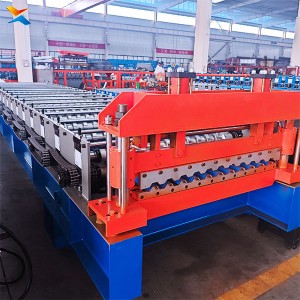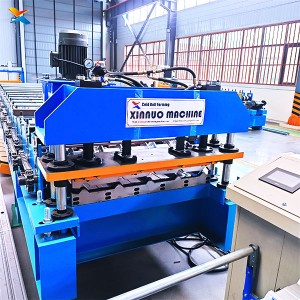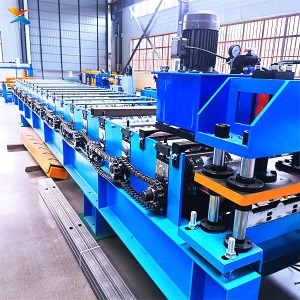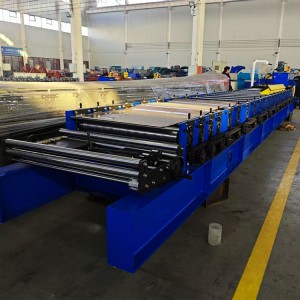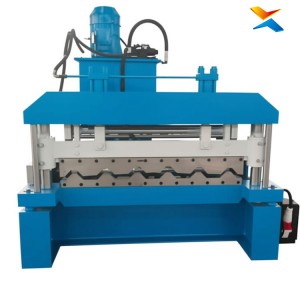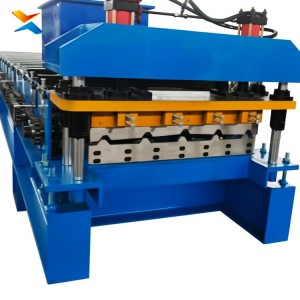

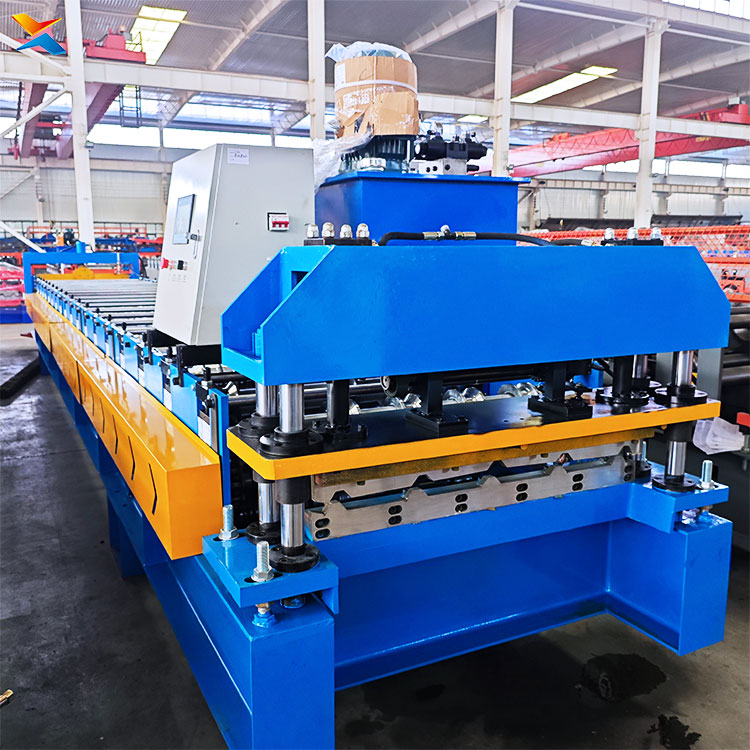
Automatic Trapezoidal Sheet Forming Machine Product Description
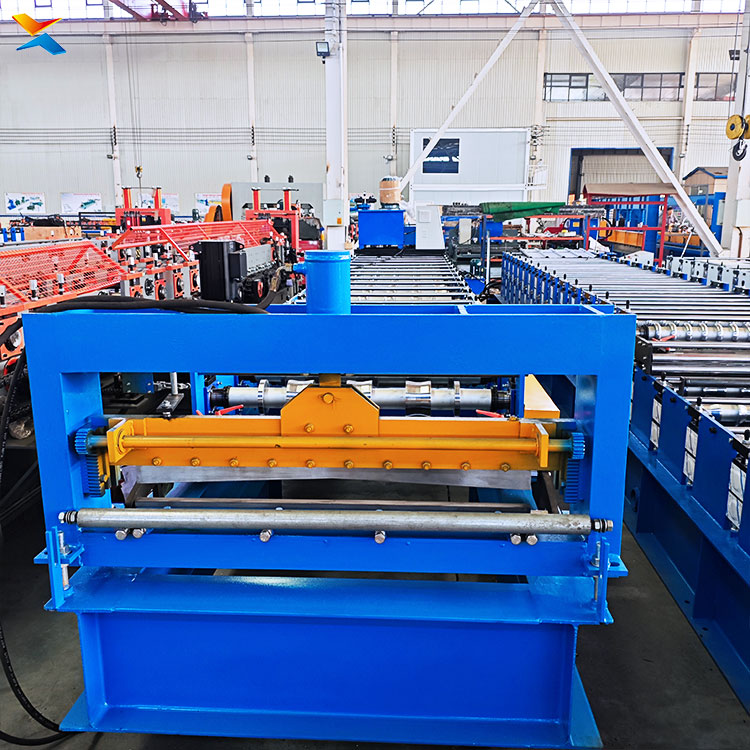
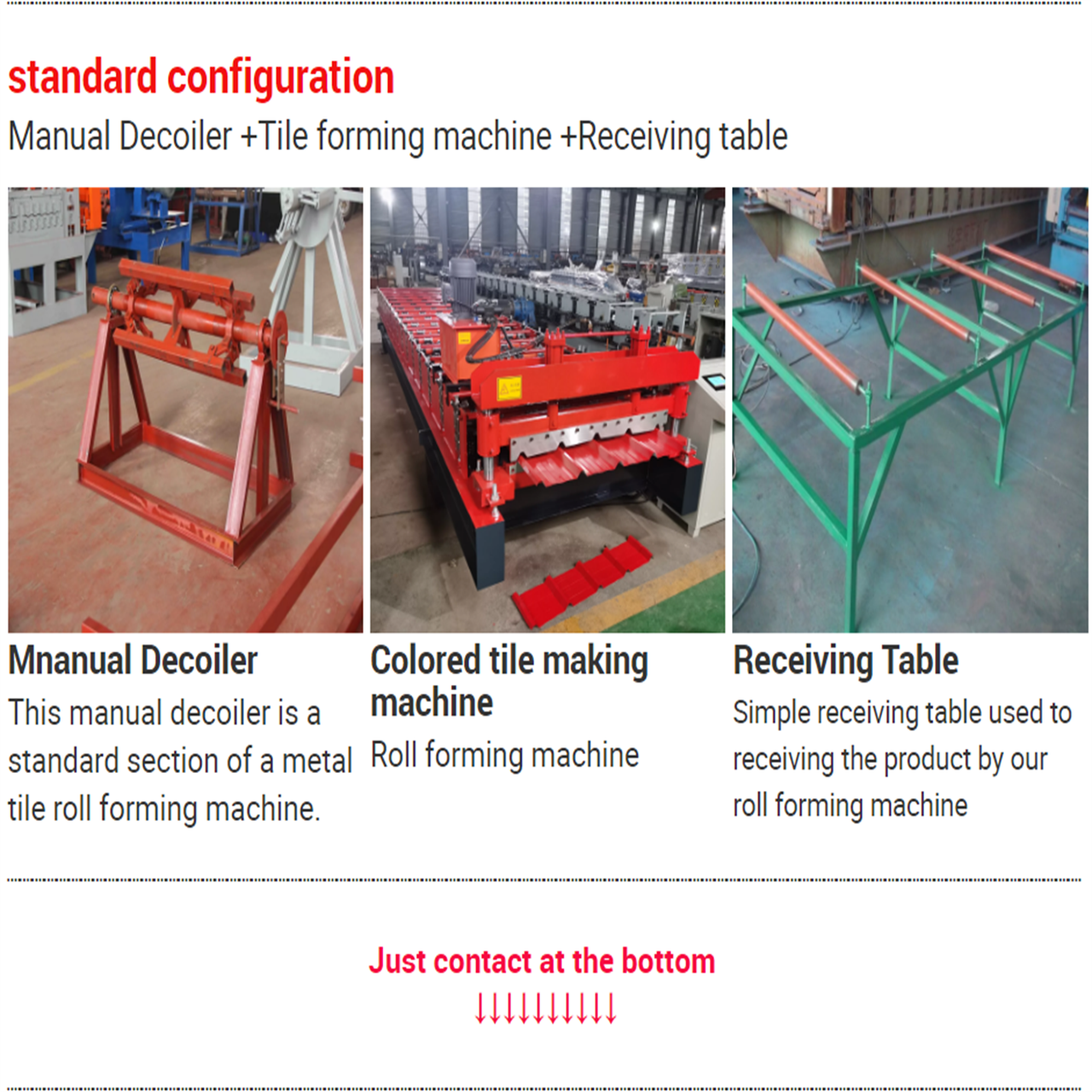
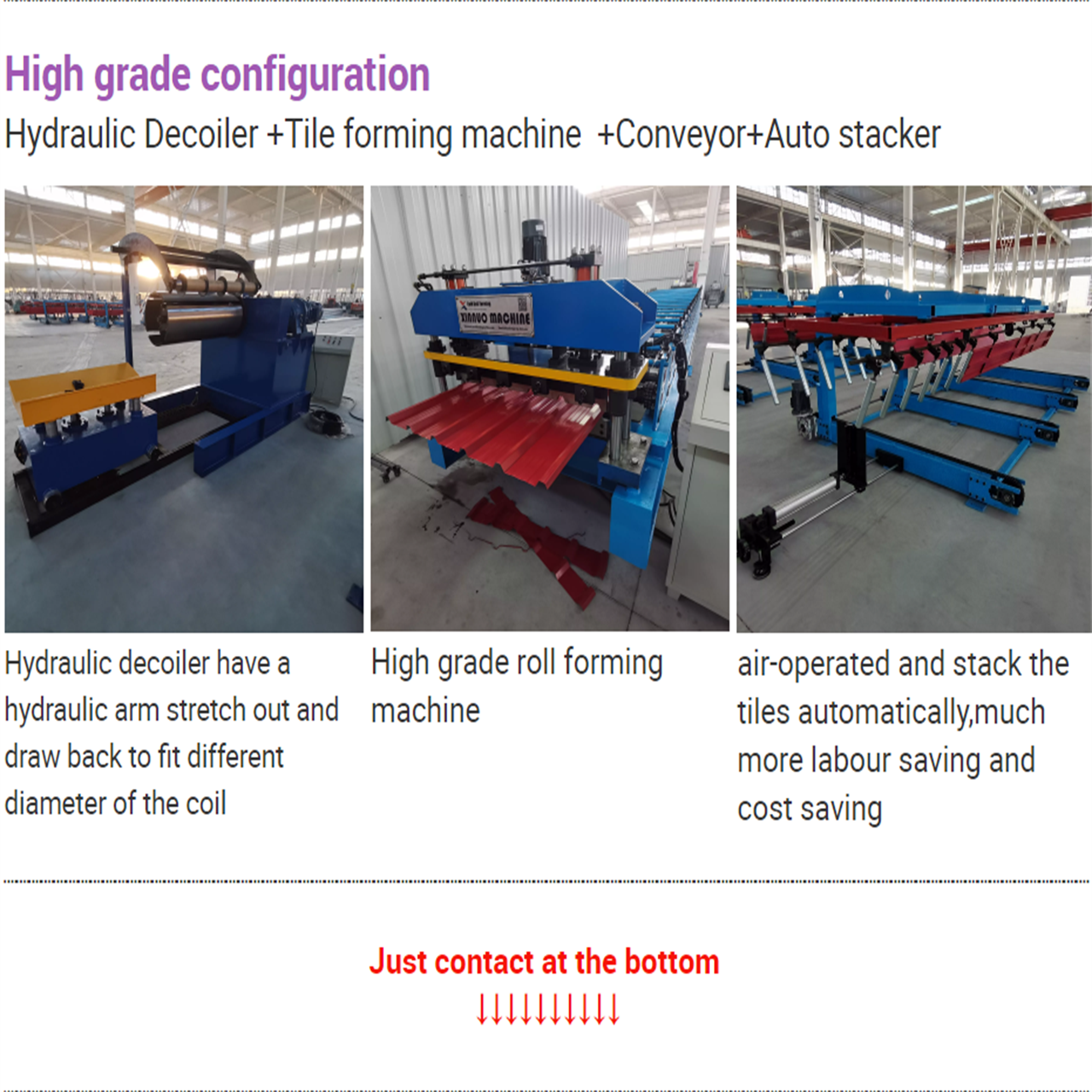
The Automatic Trapezoidal Sheet Forming Machine is a high-efficiency, precision-engineered cold roll forming equipment specifically designed for continuous production of high-quality trapezoidal metal sheets. Integrating uncoiling, feeding, roll forming, fixed-length cutting, and auto-stacking into a single integrated production line, this machine significantly reduces manual intervention, minimizes human error, and boosts production efficiency by up to 60% compared to semi-automatic models, making it an indispensable core equipment for modern metal enclosure system manufacturing.
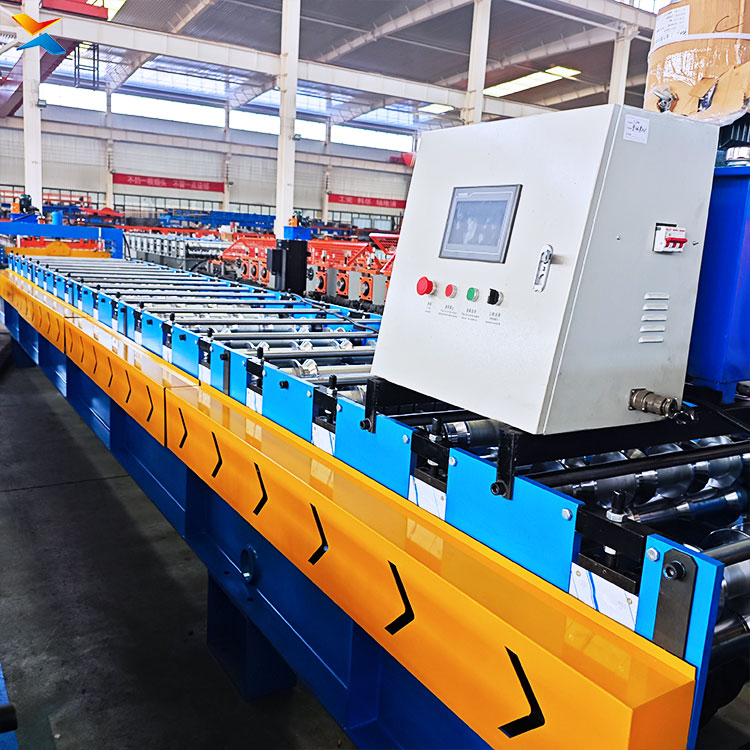
Equipped with an advanced PLC control system and a user-friendly touchscreen operation interface, the machine allows operators to easily set key production parameters (such as sheet length, forming speed, and profile specifications) with one click, and can store 50+ sets of production recipes for quick switching between different production tasks. The intelligent control system ensures stable operation, precise parameter control, and supports multi-language customization to meet the needs of different regional operators.
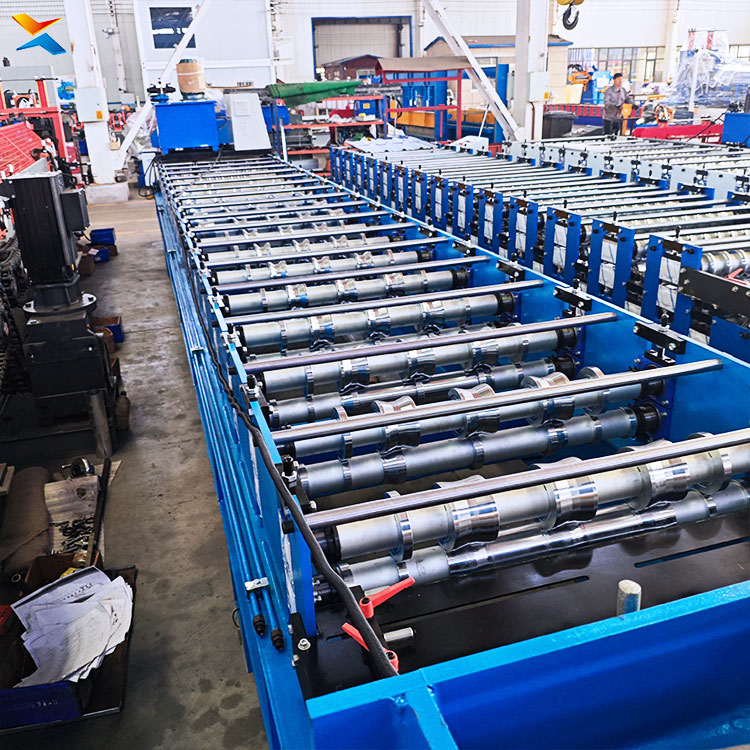
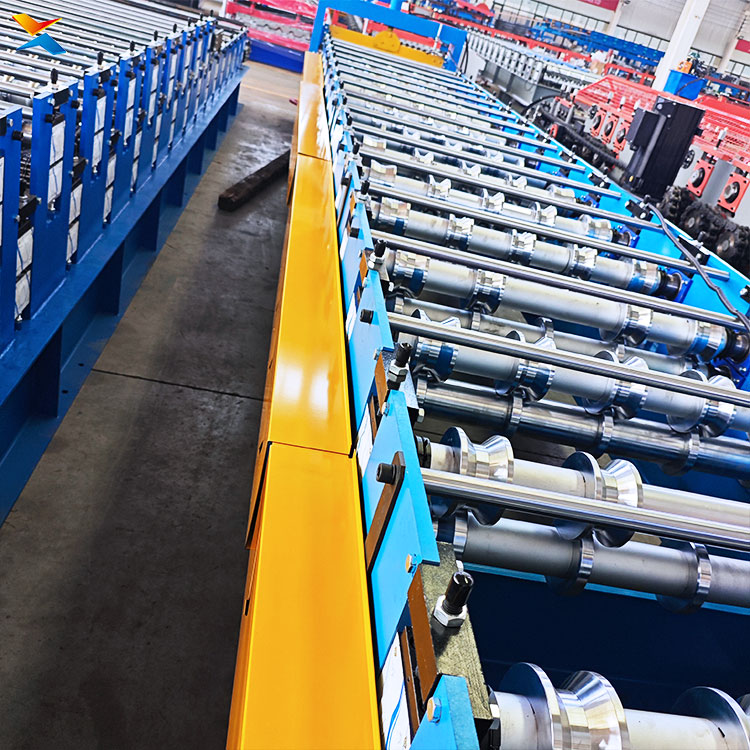
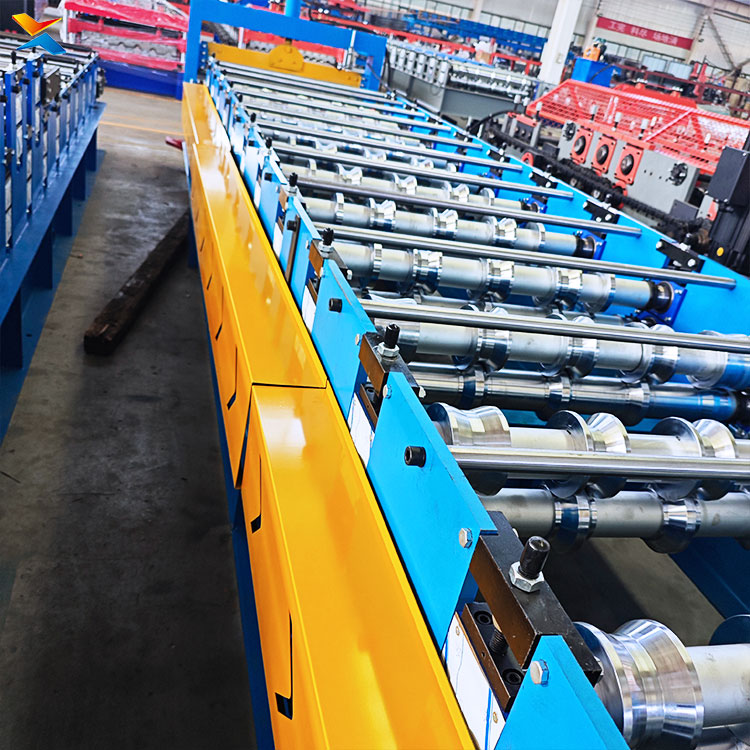
In terms of forming precision and product quality, the machine adopts high-grade 45# forged steel forming rollers with hard chrome plating treatment (0.05mm thickness), which are processed by CNC precision machining and heat treatment to ensure smooth surface, high hardness, and wear resistance. With 10-20 multi-stage forming stations for incremental bending, the produced trapezoidal sheets feature uniform cross-section, flat surface, no deformation or burrs, and tight dimensional tolerance (≤ ±0.5mm), fully complying with international construction quality standards. The high-precision servo or hydraulic cutting unit uses CR12 mold steel blades to achieve error-free fixed-length cutting, avoiding material waste and ensuring consistent sheet length accuracy.
Constructed with a heavy-duty welded frame made of 350# H-beam steel and 18mm thick supporting steel plates, the machine boasts strong bearing capacity, excellent stability, and long service life. Key components (motor, bearing, gear, PLC system) are selected from well-known international brands such as Delta, Siemens, and Omron, ensuring reliable operation, wear resistance, and corrosion resistance, with minimal downtime. The machine also comes with a 1-3 year warranty for core components, backed by 24/7 online after-sales support and spare parts supply to solve operational problems in a timely manner.
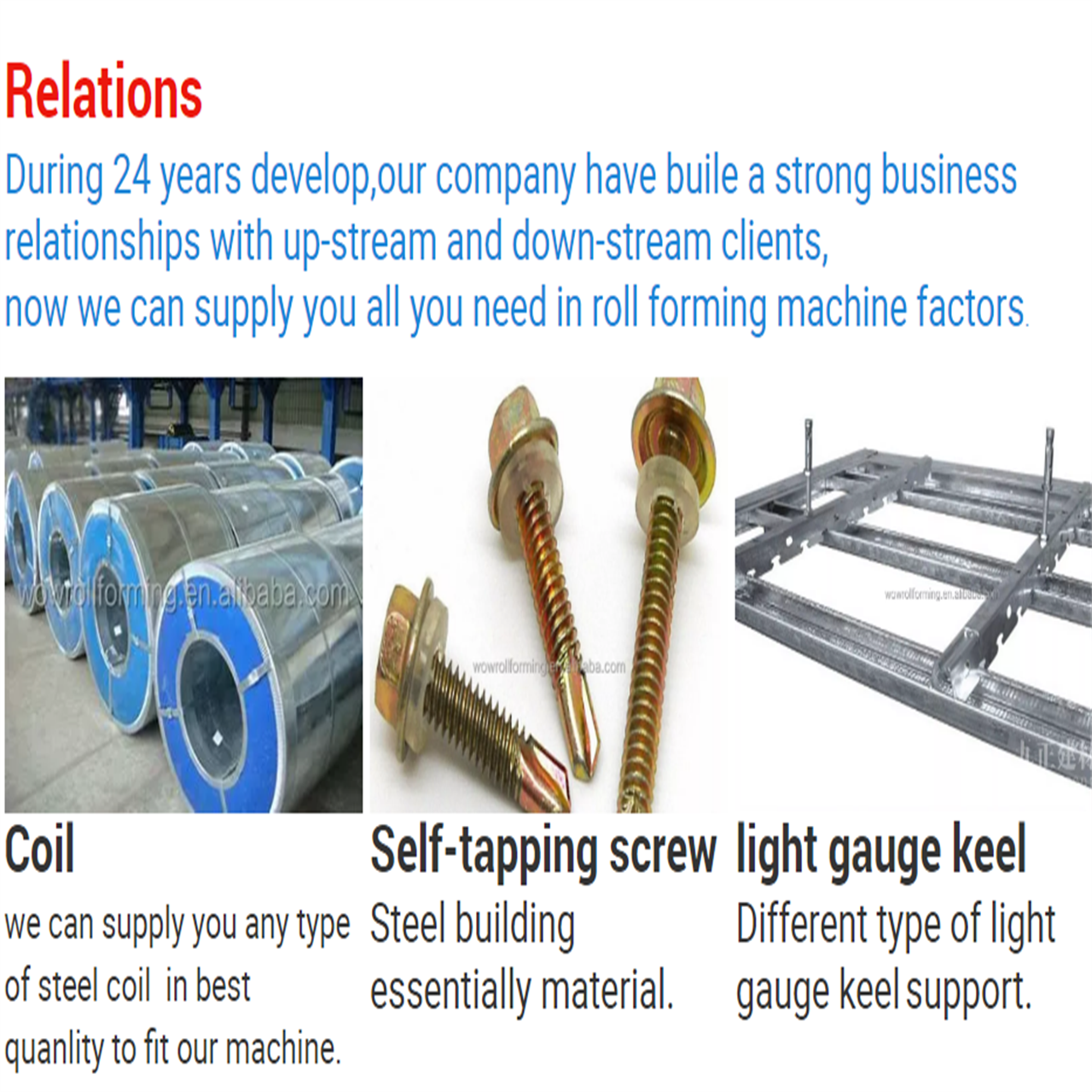
This machine offers strong flexibility and customization capabilities to meet diverse customer needs. It is compatible with a variety of metal materials, including galvanized steel, color-coated steel, PPGI, and aluminum alloy, with a material thickness range of 0.2-2.0mm and a panel width of 300-1500mm (customizable). It can produce plain, double, perforated, edge-curled, and embossed trapezoidal sheets, adapting to different functional and aesthetic requirements of roofing, wall cladding, and cladding for industrial and civil buildings. In addition, the power supply (380V/50Hz 3-phase or 220V/60Hz) and machine color can also be customized according to regional standards and customer preferences.
With a forming speed of 8-25m/min (customizable) and a daily output of up to 8,000 meters, the machine realizes continuous high-volume production, effectively reducing labor intensity and labor costs. It is equipped with complete safety protection devices, including emergency stop buttons and safety guards, ensuring safe operation. The low-noise design (≤75dB) and energy-efficient structure also make it an environmentally friendly and cost-effective production solution.
Widely applied in building material factories, prefabricated housing projects, large-scale construction sites, steel structure workshops, warehouses, and modular houses, this Automatic Trapezoidal Sheet Forming Machine delivers a comprehensive, efficient, and reliable production solution for trapezoidal sheet manufacturing, helping customers improve production efficiency, reduce costs, and enhance market competitiveness. It has passed CE and ISO 9001 certifications, and supports OEM/ODM customization, video guidance for installation, and operator training to meet the diverse needs of global customers.

♦ COMPANY PROFILE:
Hebei Xinnuo Roll Forming Machine Co., Ltd., not only produce different types of professional roll forming machines, but also develop intelligent automatic roll forming production lines, C&Z shape purline machines, highway guardrail roll forming machine lines, sandwich panel production lines, decking forming machines, light keel machines, shutter slat door forming machines, downpipe machines, gutter machines, etc.
Advantages of Roll Forming A Metal Part
There are several advantages of using roll forming for your projects:
- The roll forming process allows operations such as punching, notching, and welding to be performed in-line. Labor cost and time for secondary operations are reduced or eliminated, reducing part costs.
- Roll form tooling allows for a high degree of flexibility. A single set of roll form tools will make almost any length of the same cross-section. Multiple sets of tools for varying length parts are not required.
- It can provide better dimensional control than other competing metal forming processes.
- Repeatability is inherent in the process, allowing easier assembly of roll formed parts into your finished product, and minimizing problems due to “standard” tolerance build up.
- Roll forming is typically a higher speed process.
- Roll forming offers customers a superior surface finish. This makes roll forming an excellent option for decorative stainless steel parts or for parts requiring a finish such as anodizing or powder coating. Also, texture or pattern can be rolled into the surface during forming.
- Roll forming utilizes material more efficiently than other competing processes.
- Roll formed shapes can be developed with thinner walls than competing processes
Roll forming is a continuous process which converts sheet metal into an engineered shape using consecutive sets of mated rolls, each of which makes only incremental changes in the form. The sum of these small changes in form is a complex profile.